So... What do you do?
When your job title is true... and it isn’t

You are at a dinner. Good food, kind people, the easy small talk of a Friday evening. And then someone turns to you with a friendly smile and asks: “So, what do you do?”
You know the answer. You’ve said it a thousand times. I’m a finance director. I’m an IT manager. I lead the engineering team. I’m a partner at the firm. It comes out smoothly, the other person nods, maybe looks a little impressed.
And somewhere inside you, something goes quiet.
Because the title is true... and it isn’t. On paper, everything is fine. You’re respected. You deliver. You have earned every step. You are someone. And still, the answer feels like a costume you’ve been wearing for so long that you’ve almost forgotten what’s underneath. Maybe you’re already thinking about leaving. Maybe you have no idea yet what comes next. Maybe the question simply makes your stomach tighten, and you can’t quite explain why.
I know that feeling. I know it very well.
For many years, my own answer came easily. I was a consultant. Some people called me the “queen of search”, the expert, the one who spoke on big stages and worked with international organizations around the world. If people knew me, they already knew my story. If they didn’t, I could tell them one, and they understood.
Then I started coaching, and the easy answer was gone.
I remember standing at IT conferences, in rooms where I had been invited as the technical expert, and saying the words out loud: I’m a coach. And I remember the look that followed... or at least, the look I thought I saw. Coaching? That soft, blurry thing? Why would she walk away from a career that works? In that moment, I felt very, very small.
If I’m honest, I had often felt like an outsider in those rooms, long before coaching. The Hungarian “little girl.” The search expert few people really understood. Changing careers didn’t create that feeling. It only brought it back to the surface.
And it wasn’t only at conferences. I felt it with my family, too. There, work was always nine to five, and then second shifts. It was hands-on, something you could touch, something you built, something everyone understood. And once you found something that worked, you held on to it and never let go.
Leaving something broken made sense. But leaving something that works, something you’re good at, something you have done successfully for years? That looked like giving up. A very stupid decision. A failure.
Maybe you know this fear, too. That if you say out loud what you really want, people will think you’ve lost your mind. That you’re throwing it all away.
The little you who wanted more
It took me a long time to understand that this feeling wasn’t really about the people in the room.
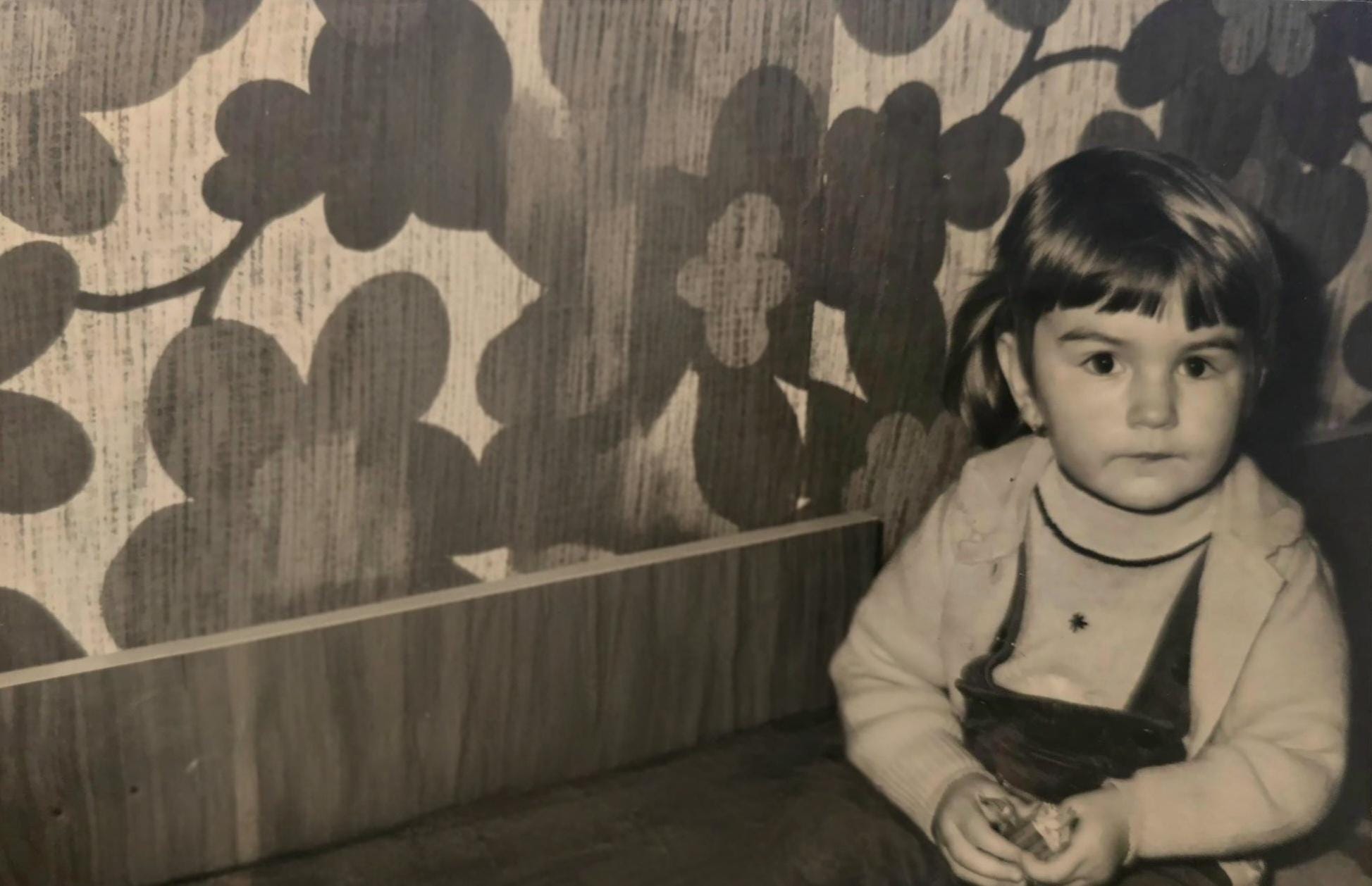
I grew up in a village in Eastern Hungary, in a poor family. My parents worked hard, and still there was never much. I wore second-hand clothes that were always too small or too big, sometimes both at once. And I dreamed... of a different life, of earning real money, of creating something of my own, of seeing the world.

The people around me didn’t understand that. Why was I never satisfied? Why did I want to leave, to study, to want more? I was supposed to stay. To work, to help out at home, to support my parents. To be a good daughter, to become a good wife, to stay a gray stone, like everyone else.
So I learned two things at the same time. I learned to hide, to play myself down so I would fit in. And I learned to rebel. I tried to stay quiet and comply with the unspoken rules, but I applied to university anyway and started working almost immediately to make ends meet. I left the village, even though it felt like betrayal.
Many years later, when I said “I’m a coach” and felt that look, I realized it was the same old look. The one that asked: Why can’t you just be satisfied? You are successful. You have everything. Have you lost your mind?! It wasn’t the audience I was afraid of. It was that little girl’s fear, still sitting quietly inside me. The fear of being a failure.
Maybe you hear that voice, too. You are successful. You have everything. Why can’t you just be grateful? It might sound like a parent, a partner, an old teacher... or by now, simply like your own voice without knowing where it comes from. Most of us carry a younger self who learned, somewhere along the way, what was safe to want and what wasn’t.
And here is what I missed for so long... actually, the little me got what she dreamed of. I travel the world. I’m not rich, but I’m safe, much safer than she could ever have imagined. She never needed me to hide her. She needed me to see her.

Not “or”, but “and”
When clients ask me how to sell themselves, in a job interview, to a new client, in the middle of a career change, they almost always put the weight on the word sell. As if it were a pitch, or an exam they have to pass. But the word I hear is a different one: yourself. Not your title, not your certificates, not only your expertise. You, as a whole person.
When new clients introduce themselves to me, they almost always start with the job: their role, their organization, their team, their achievements. Sometimes they talk about what they struggle with at work, the deadlines, the complex projects, the pressure, the upper management... Only slowly, as we work together, do the layers come down and the person behind the role appears. The unhappy marriage. The health worry. The sick child. The quiet knowing that this job doesn’t fit anymore. The fear of changing and the fear of staying at the same time. Most of them already know what’s holding them back. They feel it. They just haven’t had the words, or the permission, to say it.
Do you recognize yourself here?... You are not alone.
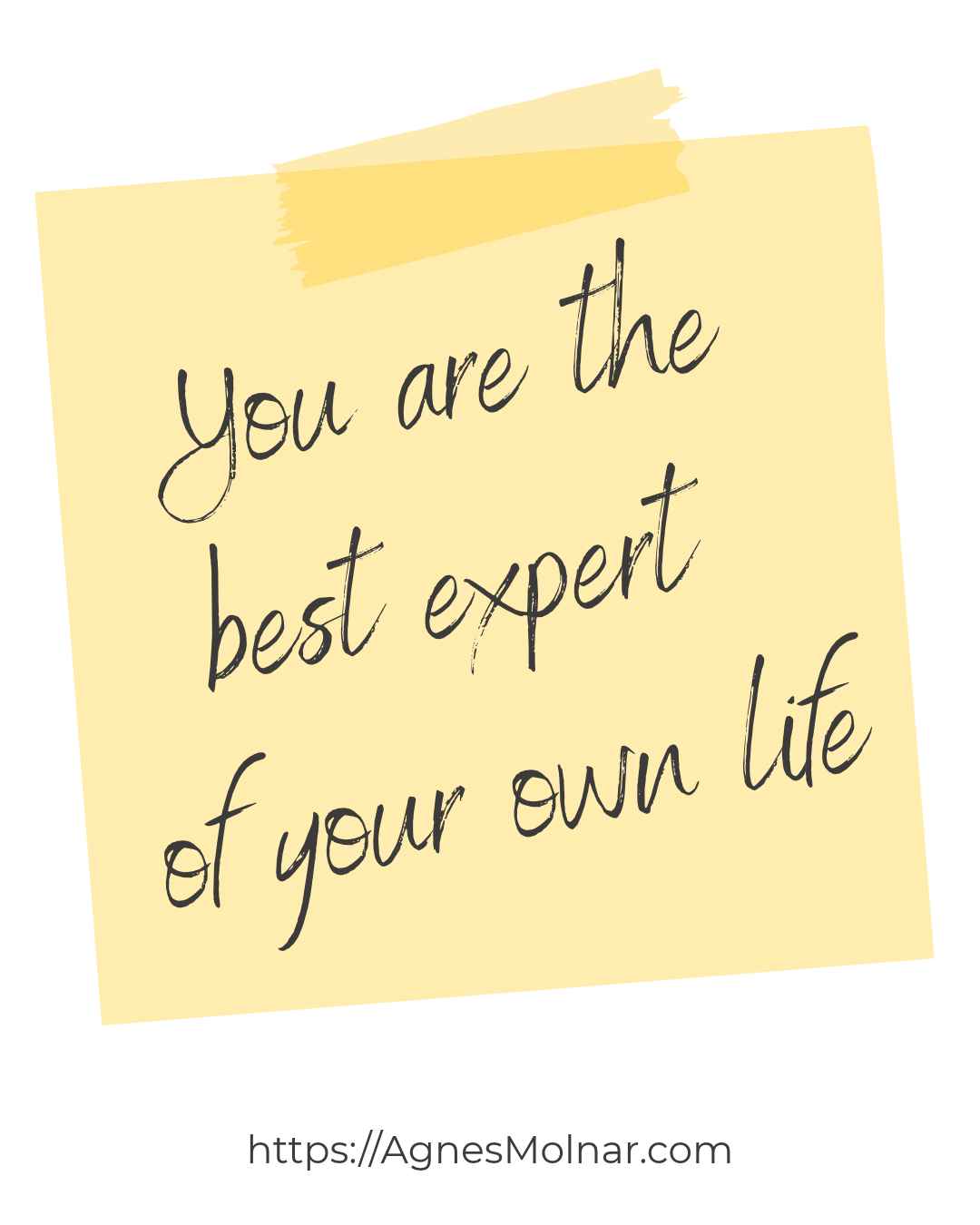
For me, seeing myself as a whole took years. My coach and my therapist kept telling me not to throw away everything I knew, that my challenging childhood or consulting years had value even if I was going somewhere new. I heard them, but something deep in me couldn’t believe them. Then one day my coach said something that stayed with me: “You’re the best expert of your own life!” Slowly, I began to see it.
I’m not a coach or a consultant, two separate people living two separate lives. I’m the same person in every room. When I coach someone through a career transition, I bring 25+ years of projects all around the world, small businesses and large corporates; of working across cultures; of everything I’ve seen while traveling the world; of all the stories I’ve heard and all the mistakes I’ve made.
And also, when I speak about AI at a conference, I can’t talk about technology without talking about people: how they learn, how they resist, how they change.
Today I can finally say it out loud. I understand technology, and I understand people. Both, at the same time.
The same is true for you. You are not your title, and you are not starting from zero. The years that brought you here, the numbers, the difficult meetings, the teams you led, the late nights, the things you learned and experienced… don’t disappear when you want something different. They come with you. You are the best expert of your own life, too.
Who are you without the title?
So let me ask you the question I often ask my clients: Who are you without your job title?
If your first answer is “I’m a mother,” or “I’m a husband,” or “I’m a director,” notice that these are titles, too. Labels. Roles we play. If you gently set them all aside, what is left? What do you love doing? What gives you energy?
Then take a piece of paper and start a list of everything you’ve learned, everywhere, anywhere, especially in the chapters you’d rather leave off your CV. The months you spent washing cars or serving food in a restaurant. The year as an au pair. Moving to a new country and feeling like less than. The family you come from. The detour that once looked like a mistake. Ask yourself what each of them taught you. Maybe how to read people, how to manage expectations and all the exceptions nobody planned for, how to build a life from scratch, how to keep going when no one expected you to. It’s all value. It’s all you.
When I made my own list, the first thing on it was the thing I had hidden the longest: the village, the poor family, growing up without feeling understood or supported. I had always seen it as a handicap, something to be ashamed of. Then slowly, I learned to look at it differently: that’s where I learned resilience, and what some people call being headstrong. It’s where I learned to stay flexible when life offered no guarantees, and to make choices that seemed unreasonable or sometimes even stupid to others. It’s where I learned to sense the mood in a room before anyone speaks, to feel injustice deeply, and, in the end, to stand up for myself and others.
I wouldn’t be the coach I am today without that little girl. I wouldn’t have been the consultant, either.
Your list will look different from mine. But I’m quite sure there’s something on it you’ve been hiding, too... and that it’s worth more than you think.
Keep your list somewhere you can see it, and let it grow. Add to it on the bus, in the shower, wherever things come up. Read it again before your next interview, your next conference, your next family dinner.
Make the little you proud
So... what do you do?
The next time someone asks, try this. Imagine the little you sitting next to you at the table. The little girl, or the little boy, with all the fears and insecurities and worries they carry. Let them be there. Look at them, look into their eyes. They have a place at your table... but they are not you. You have grown, and you are still growing.
And then answer the question. Not for the people across the table, and not to escape their judgment. Answer it for the little you sitting beside you.
And if you don’t have a new answer yet, that’s ok. You don’t need a new title to answer honestly. “I’m in transition” is a complete sentence. It’s an honest answer... and a brave one.
“I’m in transition” is a complete sentence.
Whatever your answer is today, say it out loud, gently... and make them proud.
Discussion about this post