

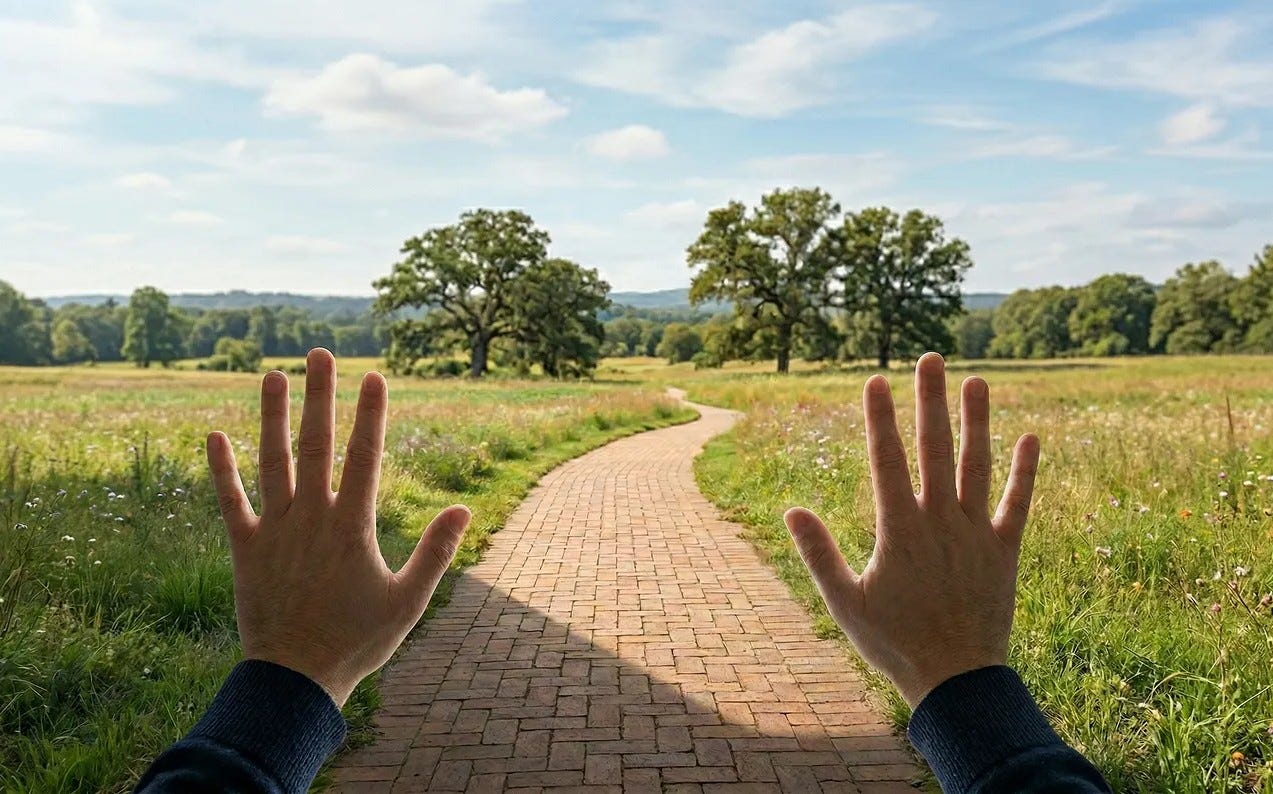
In a few weeks, your inbox will fill up with goals and retrospective to-do’s.
New year, new you. Word of the year. Create a vision board. Ten steps to make 2027 your best year yet.
But before you jump and create another list or two, pause for a moment and think about how was this year, really?
Not on paper - I know it was fine. You delivered, people relied on you. You handled what needed handling, and everything thinks you’re doing so well.
I mean, do you? Really?…
Why we skip the honest review
Most of us don’t skip the year-end review. We review what we achieved. Projects shipped, numbers hit, problems solved. Numbers and results, KPIs and OKRs, growth, revenue, speed, ... the list is endless. All looking good on paper, right?
But do you ask what the year took? When you’re a high achiever, that question can feel lie betrayal. We’re told to be grateful - and now the version of you who said “I’m fine” so many times this year, is questioning, so it feels scary. - So instead of facing these questions, we jump straight to next year’s goals, because that feels easy and familia. And we set higher numbers and aim for even better results.
Three questions for the end of the year
Here’s a small practice. It takes about twenty minutes. You need a pen, paper, and a place where nobody will interrupt you.
Write by hand if you can. Don’t edit. Don’t fix anything. Just notice what comes up.
1. What did this year cost me?
Not what I achieved - what did it cost.
Sleep. Evenings with family. Weekends and sport events with your children. Friendships. The walk you stopped taking. The book you stopped reading. The part of you that used to be curious, playful, and rested.
Write the list. Let it be longer than you expected. That’s ok.
And when you feel it’s done, ask yourself “What else?” - until there’s really nothing else left.
2. What am I pretending not to know?
This one usually takes a minute.
Maybe it’s that the work doesn’t mean what it used to. Maybe it’s that the tiredness isn’t about workload. Maybe it’s the heaviness that shows up every Sunday evening.
You don’t have to act on it. Just notice and write it down.
3. How long have I known?
Be gentle here.
Most people I work with have known for a while. Months. Sometimes years. And if your answer is “a long time,” too, that’s not a failure. It’s information. Many of us have been there.
One sentence of permission
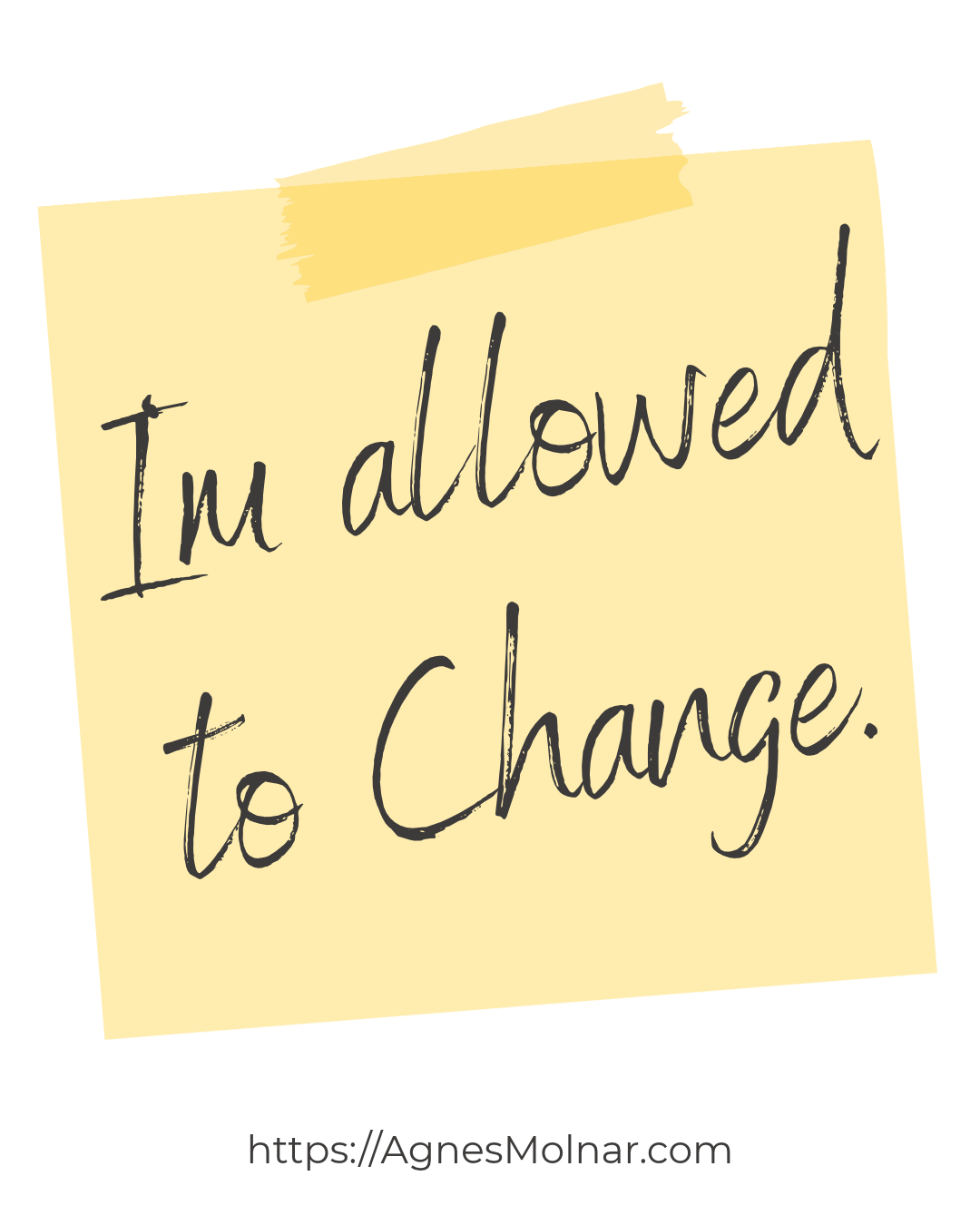
To close, write one sentence. Just for you. Not for anyone else.
It might start with “It’s ok that…” or “I’m allowed to…”
It’s ok that this year was harder than it looked.
I’m allowed to want something different, even if I don’t know what yet.
Keep it somewhere you’ll see it in January (and beyond).
P.S. If you’d rather not do this alone, I’m guiding a quiet evening around these questions on Tuesday 8 December, 18:00–19:30 CET, on Zoom. It’s called Before Another Year of “Fine”.
It’s private. Cameras are optional, nobody is called on, and you work in your own workbook, which arrives the day before.
You can join the workshop (€67), or join with a private 1:1 follow-up with me (€197). And if the three questions above are enough for now… that’s ok too. Subscribers can use code FINE20 to get €20 discount.